Defining a configurable platform to control the complete waste journey.
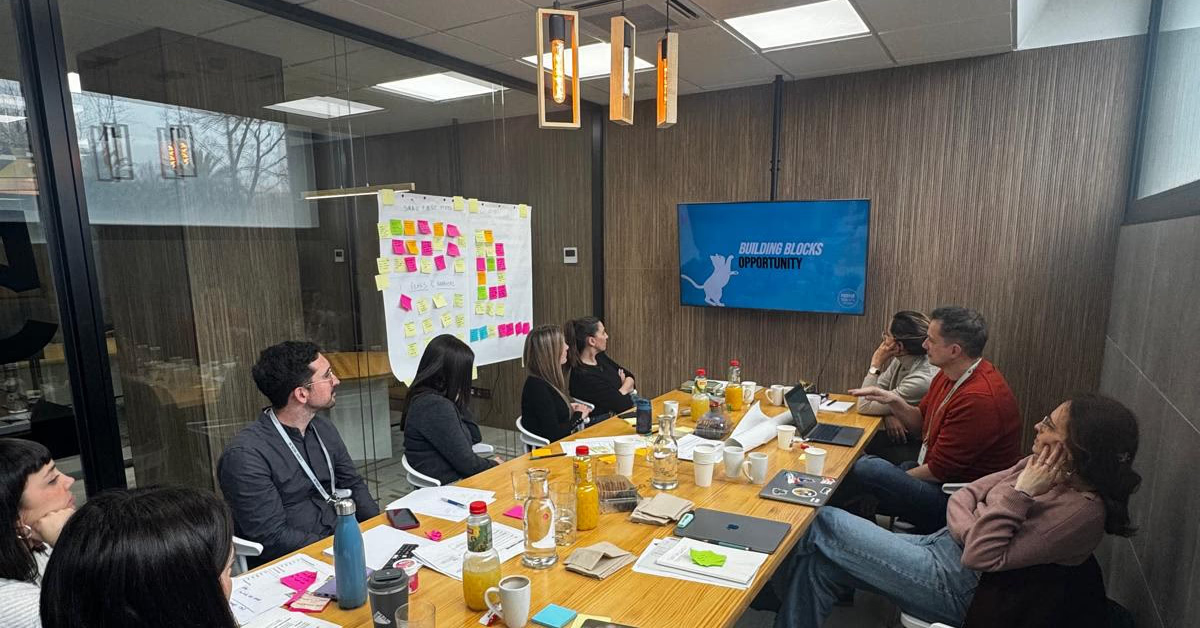
Bezeroo operates across regulation, finance, operations, logistics and multiple professional roles. I joined while the product and operating model were still taking shape, established the design function and defined the shared product model connecting the management platform and transport application.
Product challenge
One product had to support different organisations without becoming a different product for each one.
Regulated waste management connects declarations, documentation, billing, collections, transport, treatment, reporting and compliance. Each organisation can apply different rules, permissions and operating structures.
The central product challenge was to separate configurable organisational rules from the shared logic needed to maintain control, traceability and consistency across the complete waste journey.
The platform must adapt to different regulated entities without creating separate products.
Administrators, producers, waste managers, transport operators and drivers act on different parts of the same system.
Declarations, billing, operations, transport and compliance depend on shared information and coordinated states.
Product direction
The shared product model and the priorities behind it.
I defined the shared product model behind the platform.
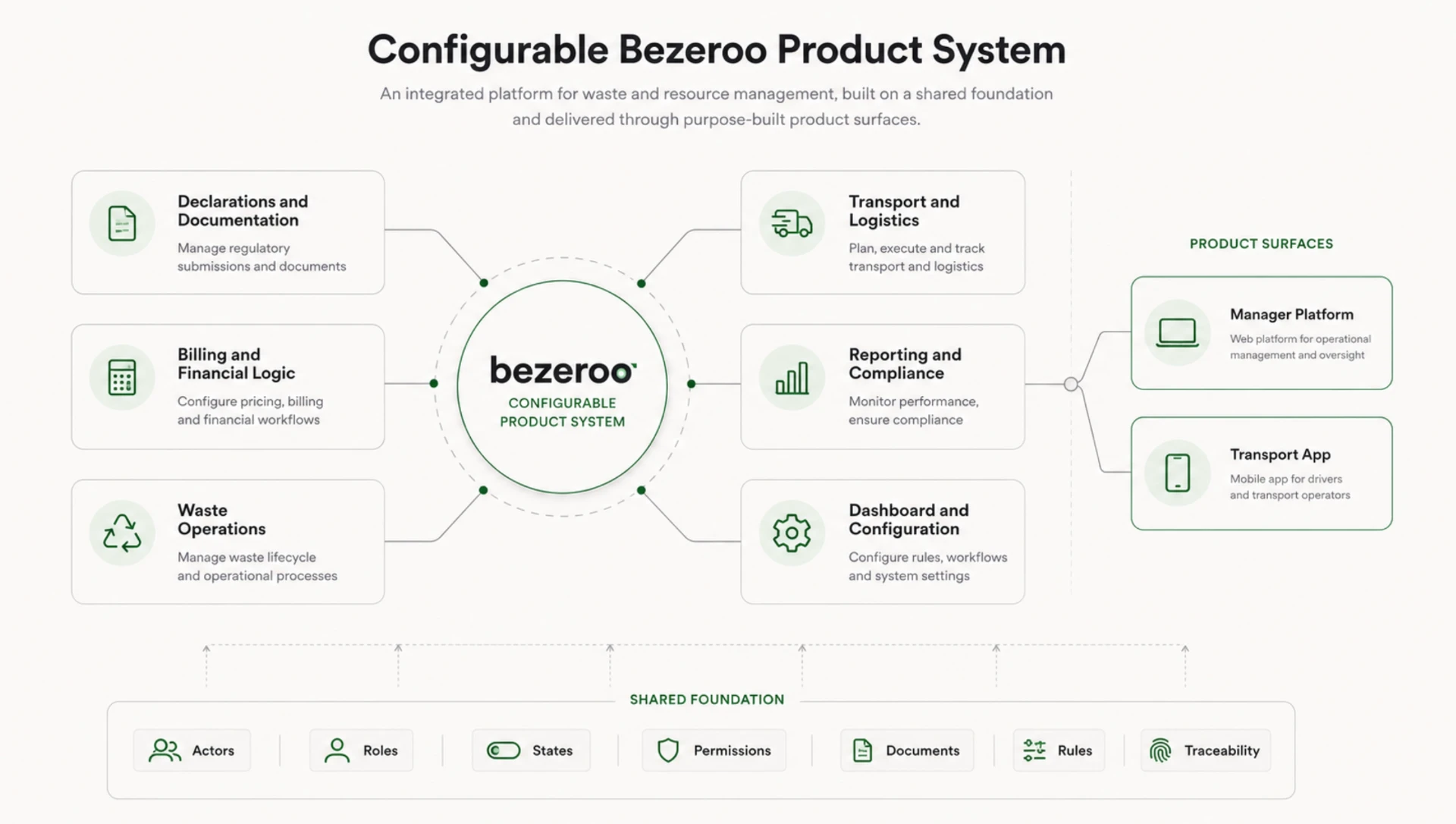
I translated regulatory, operational and technical requirements into a common model of roles, states, permissions, workflows and dependencies. This foundation could then be applied across declarations, billing, waste operations, reporting and transport.
Trade offReusable patterns allow the platform to adapt without losing consistency.
I shaped priorities around regulation, operational risk and technical feasibility.
I shaped roadmap priorities across the management platform and transport application, balancing regulatory deadlines, operational dependencies, customer needs and engineering capacity.
The work required deciding which capabilities needed to exist first, which exceptions had to be resolved and how each module would connect to the wider product.
Trade offProduct decisions had to reflect engineering capacity and system dependencies.

One product model connects management and field operations.
The management platform and transport application are connected surfaces of the same system. Planning, execution, evidence, incidents and completion remain linked to the organisations, records and states managed across the product.
Trade offField activity stays connected to the organisations, records and states managed within the wider product.

What I led
I established the design function while the product itself was being defined.
My responsibility extended beyond individual journeys. I established ways of working, structured product decisions and aligned Product, Engineering, business and regulatory specialists around a shared understanding of the system.
- Product modelling
- Product direction
- Strategic design
- Design leadership
- Organisational alignment
- Experience consistency
- Product leadership
- Engineering
- Business stakeholders
- Operational specialists
- Regulatory specialists
- Client facing teams
Connected product surfaces
The management platform connects the complete regulated operation.
The management platform connects declarations, documentation, billing, waste operations, reporting, compliance and configuration through one shared structure. The transport application extends the same model into field operations.
Declarations
Structured progress from initial completion through review, submission, validation and closure.
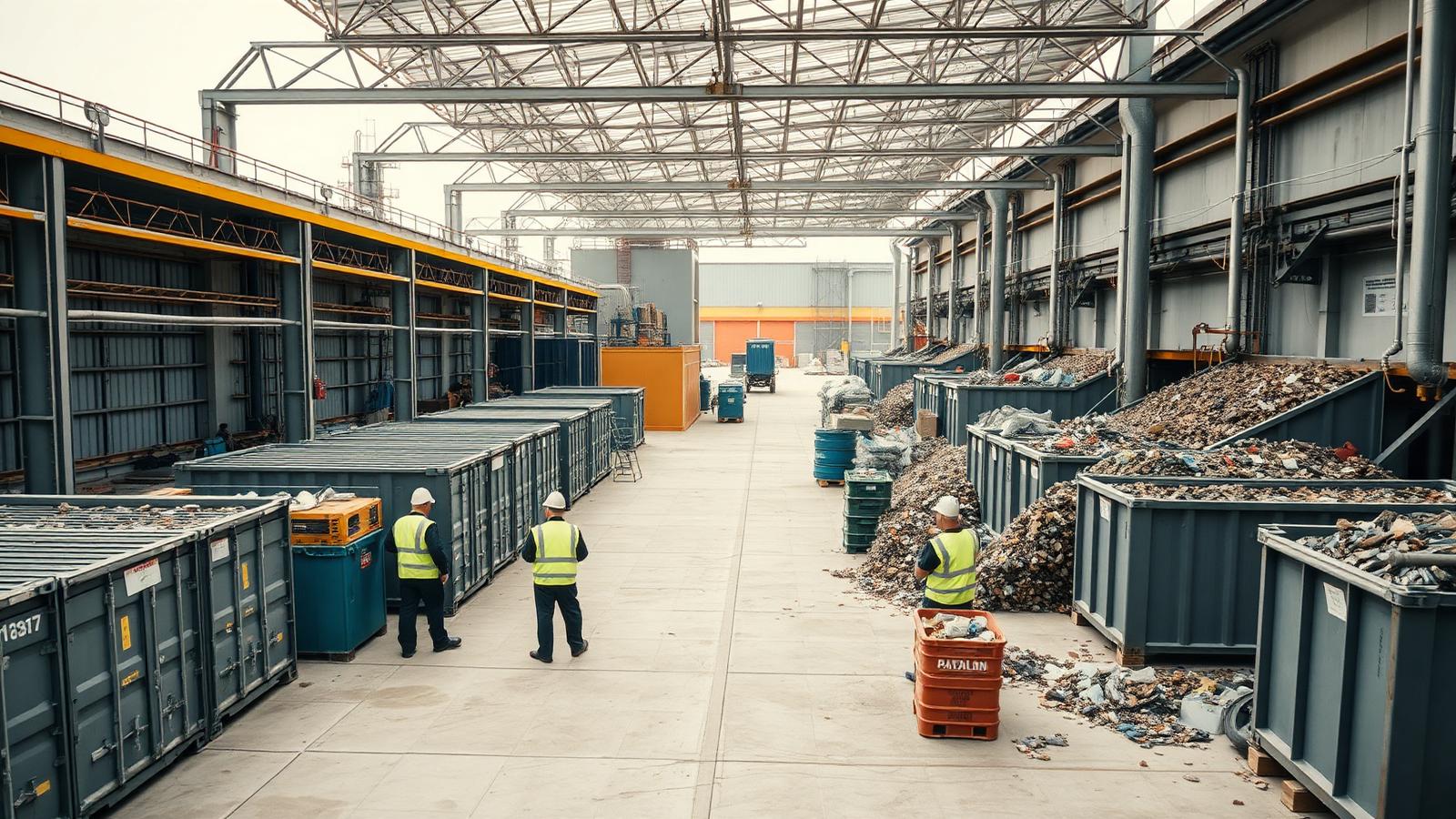
Waste operations
Connected requests, collections, reception, storage, treatment and completion within one operational model.

Transport application
Connects drivers, vehicles, routes, stops, collections, documents, photographs, signatures, incidents and completion at destination.
Success criteria
Success had to be understood across the complete operation.
Can regulated and operational processes reach completion without lost progress or context?
Can each organisation understand what is pending, blocked, completed or at risk?
Does information remain complete and consistent across operations, billing and reporting?
Can each professional role identify and complete its responsibilities without relying on external explanations?
Because Bezeroo is a connected operational system, success could not be assessed through one isolated journey. I defined measurement priorities around completion, control, data quality and role adoption.
A configurable operating model for regulated waste management.
Bezeroo connects management, operations and transport through one shared product model. Current priorities strengthen configurability, operational control, reporting and consistency across modules.
Configurability · Operational control · Connected workflows · Reporting · Product consistency
Next case
Mapping the kitchen journey to a connected customer experience.
At Leroy Merlin, the challenge shifted from regulated operations to a high consideration retail journey connecting digital tools, specialist advice and physical stores.
Explore Leroy Merlin